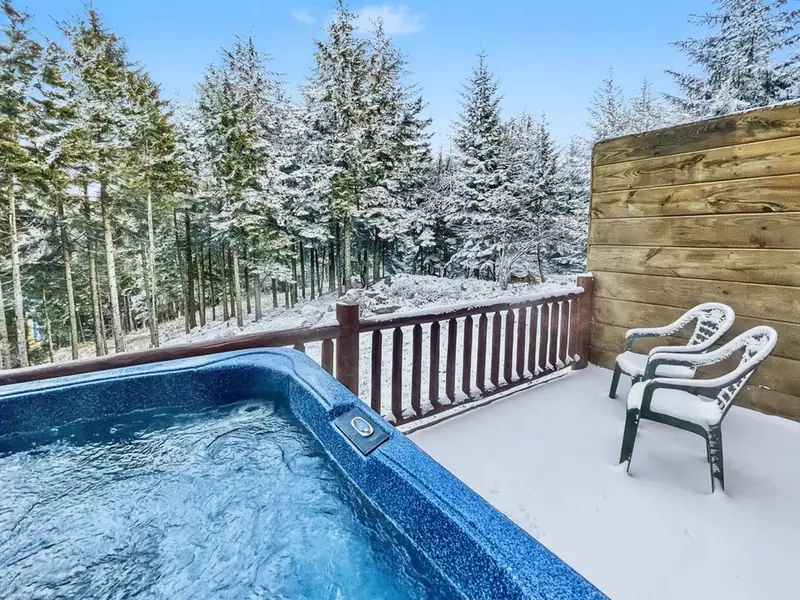
 Loggers Run
 4Sleeps 13
Built for skiers. Boot up in the gear room at the back of the house, then step straight out onto Flume.
You don't need top-of-the-line gear to stay warm, dry, and comfortable on the slopes. Here is where to spend, where to save, and how to outfit growing kids.
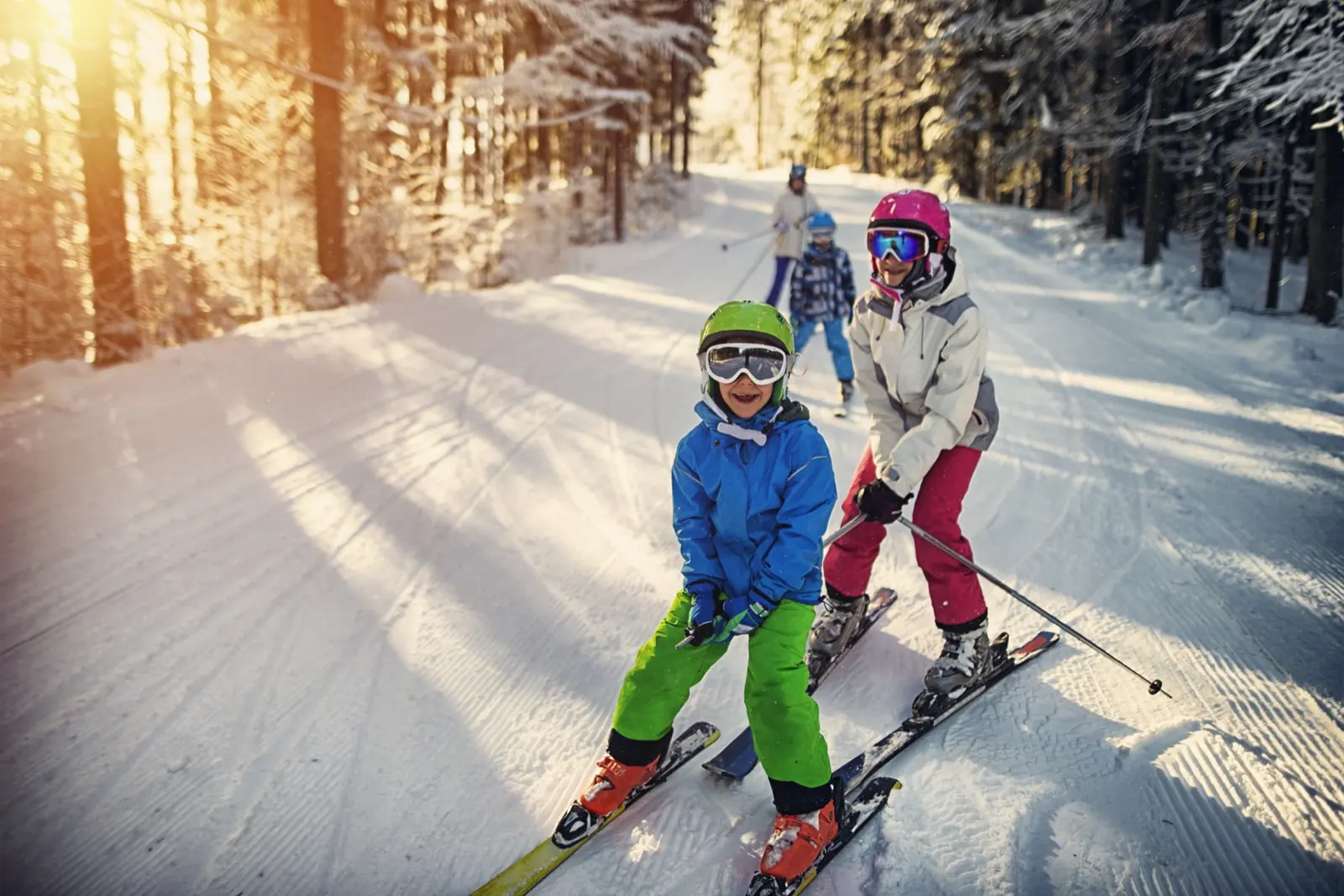
What you really need for a great ski vacation, without spending a fortune on things you don’t.
Skiing can be expensive enough without buying every gadget, accessory, and piece of high-tech clothing advertised as a must-have.
The good news? You don’t need top-of-the-line gear to stay warm, dry, and comfortable on the slopes. A few smart purchases make a huge difference, while plenty of expensive extras are completely unnecessary.
Whether you’re skiing for the first time, outfitting growing kids, or returning to the mountain after a few years away, here’s where the VisitSnowshoe owners would spend their money, and where they’d save it.
Verdict Absolutely worth it. Don’t skimp here.
Cold, wet hands can ruin a ski day faster than almost anything else. Regular knit gloves, inexpensive fashion gloves, and many everyday winter gloves simply aren’t designed for repeated contact with snow. Look for:
Mittens or gloves? Mittens! They are much warmer because your fingers share heat. They’re particularly good for children and anyone whose hands get cold easily. Don’t worry about needing to move different fingers separately. A mittened hand holds a ski pole just as well.
Spare set? For children, yes. They WILL throw snowballs. They WILL play in the snow.
Money-saving tip: You don’t need $150 gloves. A well-made, properly fitting pair of waterproof mittens can be an excellent investment.
Verdict A small purchase that makes a huge difference.
Forget thick, fluffy socks. Ski boots are designed to fit snugly, and bulky socks can make your feet colder by restricting circulation. Choose:
Don’t wear two pairs! That leads to blisters. One properly fitting pair is almost always better.
Money-saving tip: Two or three good pairs per skier are usually plenty for a short vacation, especially if you can wash and dry them between ski days.
Verdict Essential, especially for beginners and kids.
You’ll spend time sitting on snowy chairlifts, kneeling to adjust boots, and possibly landing in the snow. Bibs are especially useful because they keep snow from getting inside at the waist when you fall. Snow up your back is an awful feeling.
Waterproof bottoms keep you comfortable through it all. Look for reinforced cuffs, adjustable waists, and enough room for base layers.
Money-saving tip: Buy children’s ski pants secondhand or look for adjustable and extendable cuffs that accommodate growth. Expensive designer ski pants aren’t necessary.
Verdict Worth buying. Expensive versions are optional.
The layer against your skin matters more than many people realize. Choose polyester, polypropylene, or merino wool long underwear. These materials move moisture away from your skin, helping you stay comfortable.
Children require different planning. For younger children, it is smart to have a backup set for accidents. It’s not uncommon for young kids (especially in ski school) to delay asking for a bathroom stop until they are far away from an opportunity. Chairlift rides and lines may take longer than planned, and accidents happen even with potty-trained kids.
When temperatures are below 10 degrees, the owners’ family wears two layers under the ski coat and pants: a regular base layer plus thicker fleece pants and a pullover, to stay comfortable longer. Sitting on a metal chairlift at those temperatures will make you appreciate that extra layer.
Avoid cotton thermals and cotton T-shirts. Cotton holds moisture and can make you cold when you stop moving.
Money-saving tip: Affordable synthetic thermal sets work very well. The owners’ kids wore inexpensive Cuddl Duds sets for years. Premium merino wool is great but not necessary.
Verdict Essential safety equipment.
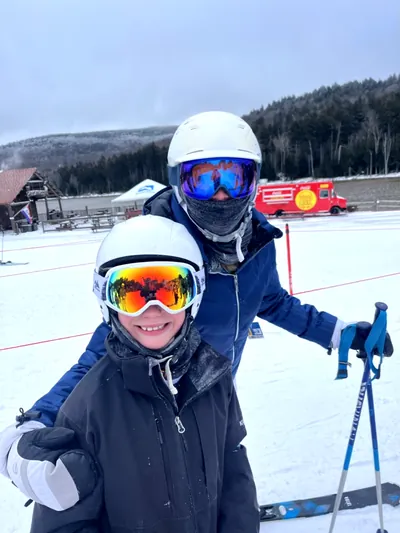
Everyone should wear a helmet, regardless of age or experience. A helmet should fit snugly, remain secure when fastened, and be certified for snow sports.
Money-saving tip: Renting a helmet is perfectly reasonable for occasional skiers. If you ski regularly, buying your own ensures you know its history and fit.
Never buy a used helmet with an unknown impact history, and replace one after a significant impact according to the manufacturer’s instructions.
Verdict Worth it, but you don’t need the most expensive pair.
Snowshoe can have fog, snow, and flat-light conditions that make it difficult to see changes in the snow’s surface. Look for goggles that fit comfortably with your helmet, resist fogging, and have lenses suited to cloudy or mixed conditions.
Money-saving tip: A good mid-priced pair with an all-purpose lens is usually more useful than expensive mirrored goggles designed primarily for bright sunshine. Amazon sells inexpensive bulk sets for big groups that work totally fine.
Verdict One of the best inexpensive ski accessories.
This is the best $10 to $15 you’ll spend. A simple fleece or synthetic balaclava or neck gaiter can make a surprisingly big difference on cold days or windy chairlift rides. It protects your neck and can be pulled over your lower face when temperatures drop. Choose breathable fabric that fits comfortably beneath your helmet.
Money-saving tip: Skip the fancy branding. Basic versions work beautifully.
Verdict Essential protection, but not necessarily a ski-specific purchase.
A jacket’s job is to block wind and moisture while your layers provide warmth. A good waterproof winter jacket you already own may work perfectly well. Look for a hood that works with your helmet, adjustable cuffs, and pockets that are easy to access.
Money-saving tip: A versatile waterproof shell with a fleece underneath can work across a wide range of temperatures and may be more useful than one extremely heavy jacket.
Verdict Inexpensive insurance for bitterly cold days.
They’re especially important for kids and anyone with cold hands. The owners’ family often uses them when temperatures are below freezing, just for comfort, and considers them mandatory when temperatures drop under 20 degrees.
| Gear | The take |
|---|---|
| Heated socks | Wonderful for people who consistently struggle with cold feet, but most skiers don’t need them. |
| Heated gloves | A luxury that can be worthwhile for those with chronically cold hands. Try quality mittens first. |
| Boot dryer | Very useful for families skiing several consecutive days. Dry boots are much more comfortable than damp ones. |
| Interchangeable goggle lenses | Helpful for frequent skiers who experience widely varying light conditions. |
| Ski boot gloves or covers | Can help some skiers with cold feet, but proper boot fit comes first. |
| Waterproof phone pouch | Helpful protection in wet snow, though a secure inside jacket pocket often works just as well. |
Favorite affordable extras: Hand warmers, a neck gaiter, and a spare pair of dry gloves for children.
You don’t need a matching $1,000 ski ensemble to enjoy the mountain. Prioritize waterproofing, comfort, fit, and warmth. A moderately priced outfit that keeps you dry is far better than an expensive one that doesn’t.
More padding does not necessarily mean warmer feet. Bulky socks can make ski boots fit too tightly. Buy properly fitting ski socks instead.
Layering several thick sweaters often makes you sweaty and restricts movement. A moisture-wicking base layer, fleece, and weatherproof outer layer are more versatile.
If you’re a beginner or ski only a few days each year, renting is usually a better choice than purchasing expensive skis. Rental shops can match equipment to your ability, and you won’t have to transport or store it.
For recreational skiers, properly sized basic poles do the job just fine. Carbon fiber and other premium materials may be appealing to enthusiasts, but beginners won’t notice much benefit.
Most resort skiers don’t need to carry a backpack all day. A jacket with good pockets can hold your phone, lip balm, snacks, and a few essentials. Backpacks can be awkward on chairlifts and should be removed or secured according to lift instructions.
Heated insoles, Bluetooth goggles, helmet cameras, electronic boot accessories, and other gadgets can be fun, but none is necessary for a great day skiing. Spend your money on equipment that actually improves your comfort, visibility, and safety first.
A word about ski boots: If you ski regularly, properly fitted boots may be the single best equipment investment you can make. Comfortable, well-fitted boots improve control and reduce foot pain. But don’t rush to buy boots after your first lesson. Work with a professional boot fitter when you’re ready. One of the best boot fitters in the US works in Snowshoe, though, so head to Elk River if you’re ready for this step.
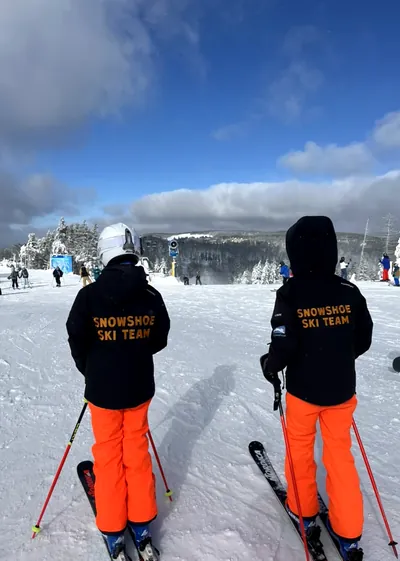
Children grow quickly, and ski clothing can be expensive. Fortunately, kids don’t need the newest gear every season.
Parent tip: Buy bright colors like neon yellow, pink, and orange! It’s much easier to spot your child on a busy slope when they’re wearing a distinctive jacket. Everyone is wearing black and navy. It’s a happy moment when you can spot your child skiing with their ski school group as you ride overhead on the chairlift.
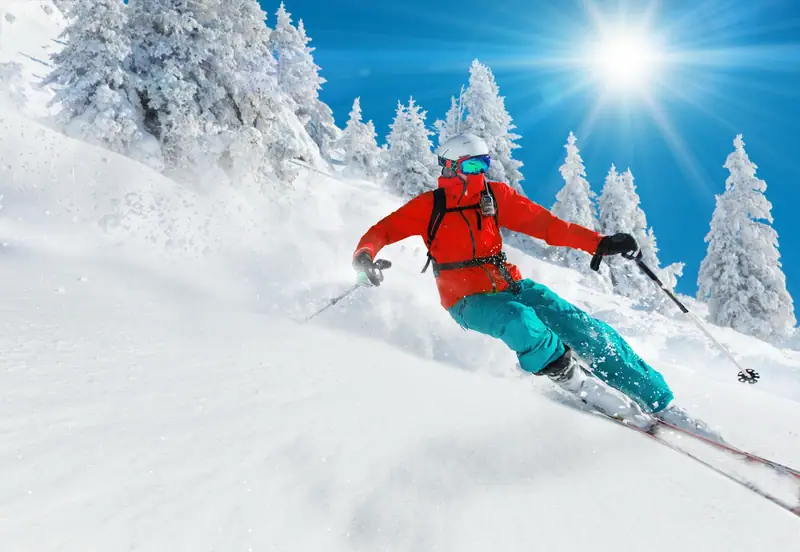
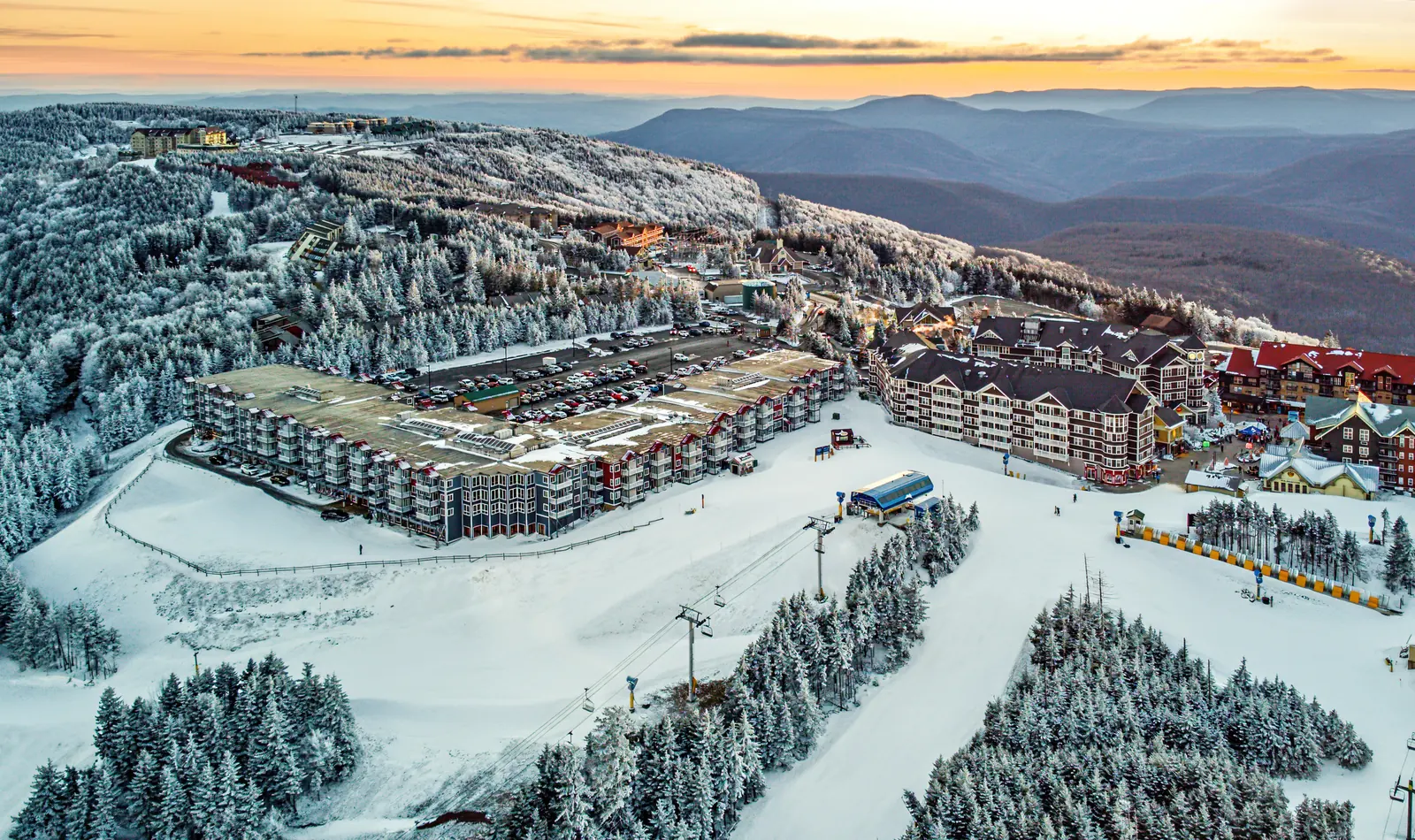
Snowshoe’s mountain weather can change quickly. A sunny morning can turn into a windy, snowy afternoon, and temperatures at the top of the mountain may feel considerably colder than expected. For skiing at Snowshoe, prioritize:
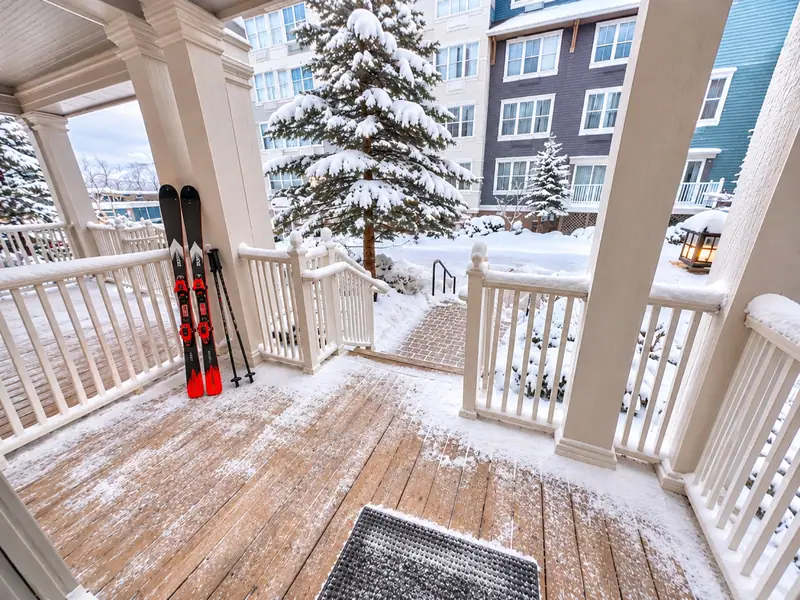
You don’t need the fanciest ski gear to have an incredible vacation at Snowshoe. Sierra (part of the TJ Maxx family, with decent brands at low prices) or Costco often have what you need at a great price. If you’re deciding where to spend your money, focus on five things:
Everything else is secondary.
And if you’re skiing for the first time? Rent your equipment (try KitLender or other sites), borrow what you can, buy a few quality essentials, and spend the money you save on lessons, another day on the mountain, or a great dinner with your family.
The best ski gear isn’t the most expensive gear. It’s the gear that lets you forget about what you’re wearing and enjoy the slopes!
Loggers RunBuilt for skiers. Boot up in the gear room at the back of the house, then step straight out onto Flume.
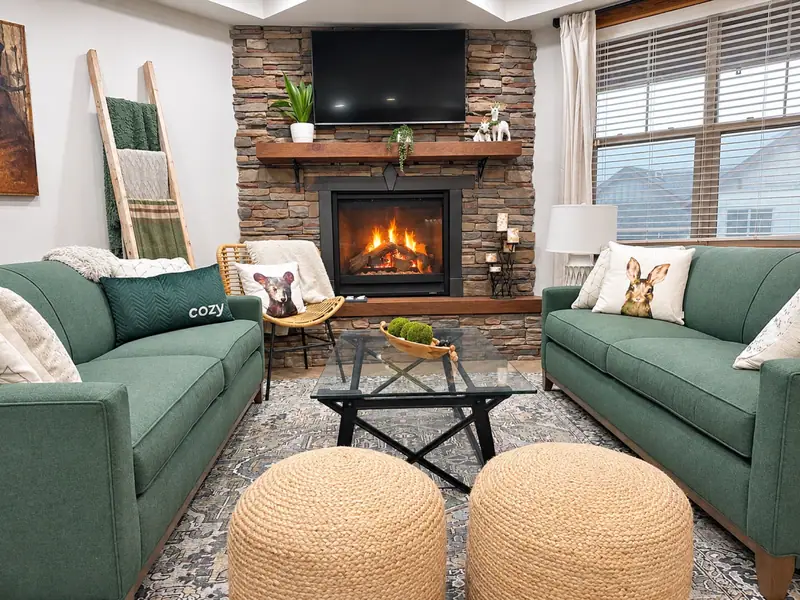 Black Bear Crossing
Steps to the snow by the Powderidge lift. Pool table, theater seats, an arcade, and a private hot tub for after.
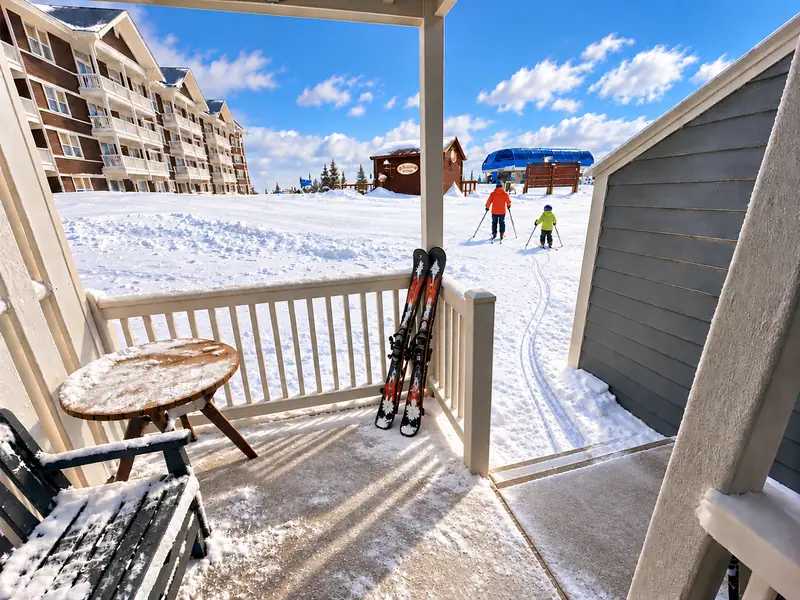 Mountain Lodge
First floor, with a deck right to the snow, steps from Ballhooter and the Waffle Cabin. In-unit laundry and heated toilet seats.
Pick your dates to see which of the ten ski-in, ski-out homes are open.