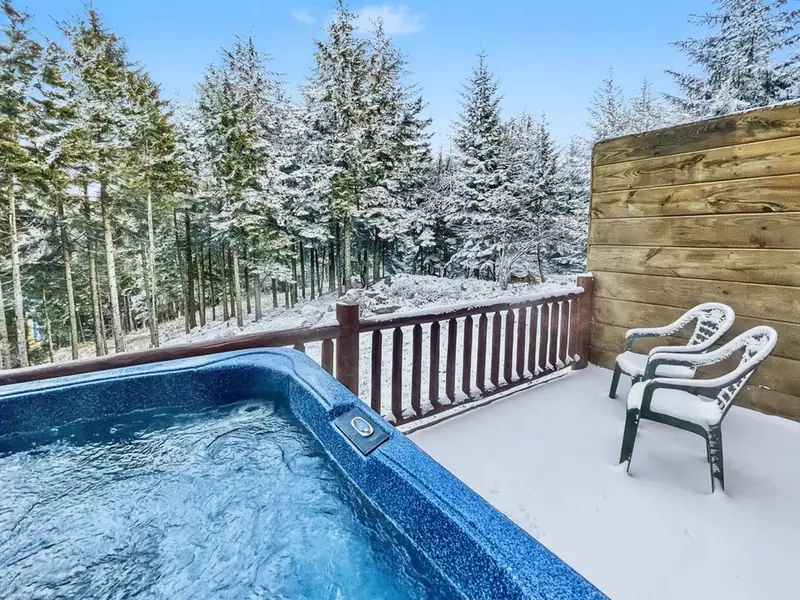
 Loggers Run
 4Sleeps 13
Built for skiers. Boot up in the gear room at the back of the house, then step straight out onto Flume.
Owning at Snowshoe can be really rewarding. If you are mostly looking at the resort as a money maker, though, we always advise caution. Here is what we have learned renovating and running our own homes on the mountain.
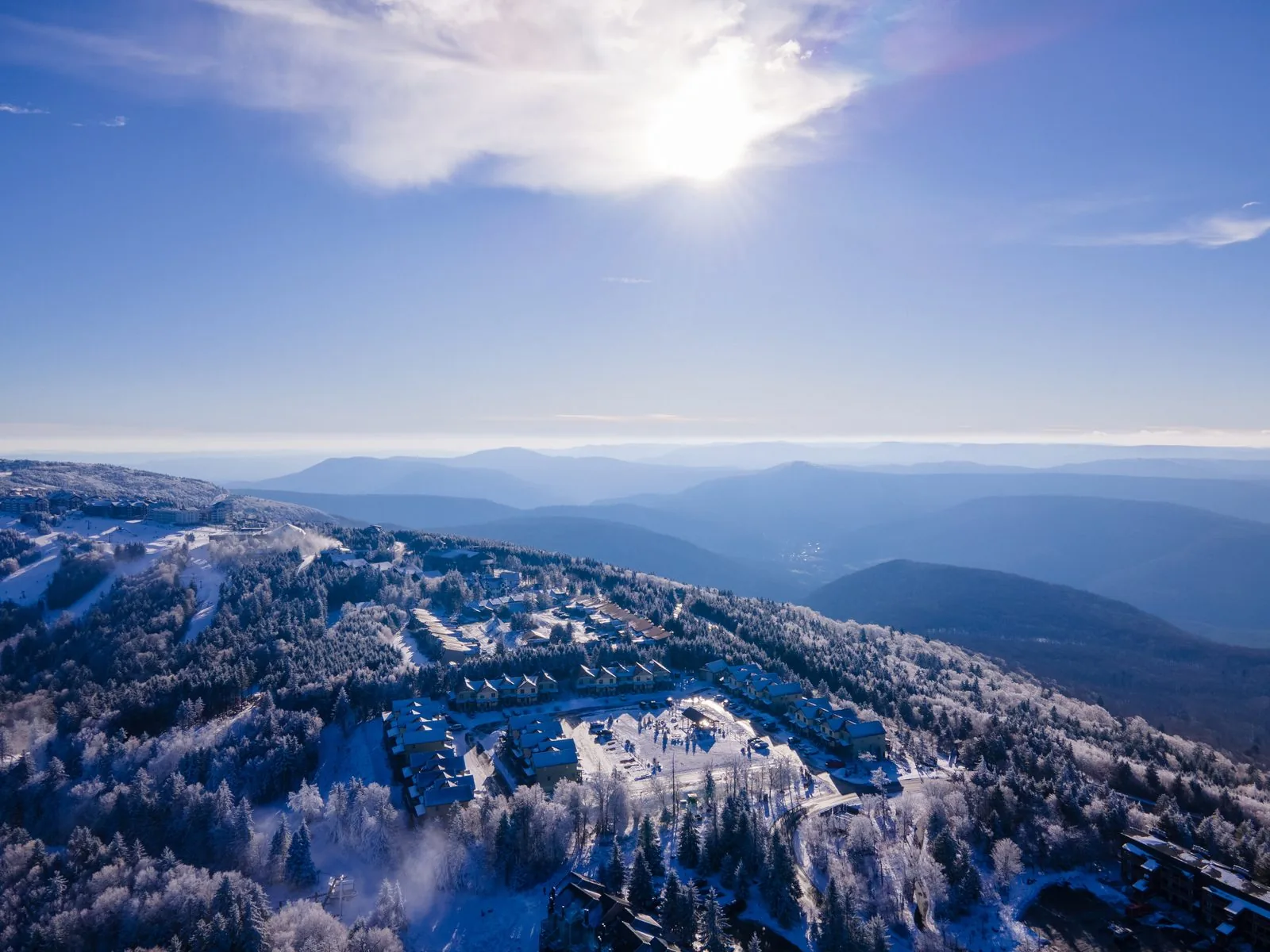
We love owning here. But a ski condo is a lifestyle purchase first and an investment second. Prices climbed over the last few years, and with today’s interest rates and some of the condo fees, a property that pays for itself is hard to find. If the plan only works on paper when every weekend is booked, take a hard second look.
About 75 percent of your annual revenue will come in ski season, and that is only about 130 days. The start and the end of the season book at lower rates than the middle. Build your model around winter, and treat summer as a bonus.
Opening day starts in the Village. Soaring Eagle and South Mountain open later, and so does Silver Creek. If you are paying for ski-in, ski-out, ask which lift and which trail actually serve the unit, and when they usually open. A place like Top of the World can be one of the better bargains on the mountain, but it is not as ideal when Soaring Eagle is not running. Those early weeks show up in your rates.
Local taxes on rentals are modest, but they still add up. Put them next to your HOA fees, if you have them, and the Mountain Top Assessment, and the total is real money every year. Add it all up before you fall in love with a property.
The Mountain Top Assessment: investigate! The MTA is tricky, and it depends entirely on the building or development you are in. Some HOAs bundle it into their fees. In other places you write a separate check. Find out exactly how it works, and what it costs, for the property you are looking at. Some developments have different sunset dates, and even those can change, so get the current terms in writing.
Plenty of single family homes, in neighborhoods like West Ridge Road, may have no HOA at all. If you are looking at one of those, check what covenants, road agreements, and dues apply before you buy.
If the property is in a condo association, townhome community, or HOA, look hard at the association itself: how stable it is, what assessments are coming, and yes, the drama. Many of the Village buildings are in the middle of big projects or on the verge of one. The easiest way to find out is to talk to owners in the building. The Snowshoe Mountain Home Owners group on Facebook is a good place to start.
There is amazing competition for guests here, and it shows up in the rates you can charge. In summer, supply dramatically outstrips demand. Plan your numbers on what similar units actually earn, not on what the best weekend of the year looks like.
Holidays and prime weekends are a big share of the year’s revenue. Those are also the weeks you will want for yourself. If your family plans to take two full weeks over the holidays, the math gets tough fast. Decide how much you will use the place before you build the spreadsheet, not after.
You can still find value in a unit you can fix up, especially in some of the Village buildings or places like Top of the World. We have renovated every unit we own at Snowshoe, and we have been down this road a lot. Before you buy a project, check the assessments, the reserves, and, if there is an association, where it is headed. A beautiful kitchen will not save you from a big special assessment.
The nearest Walmart Supercenter is in Elkins, about 50 miles away and well over an hour by car. The nearest Lowe’s stores, in Lewisburg and Buckhannon, are close to two hours away, and the nearest Home Depot, in Bridgeport, is farther than that. Plan supply runs, and know that Snowshoe Delivery Service will bring things up from Walmart.
Apps and remote locks help enormously. Finding good help is the hard part. Pocahontas County had about 7,600 residents in 2025, spread over 940 square miles, or about 8 people per square mile. The median household income is $42,119, and only 42.8 percent of residents 16 and over are in the labor force (US Census QuickFacts). Labor is tight, and good contractors are scarce. Find great people, and treat them exceptionally well.
Management fees on the mountain run about 18 to 25 percent of your rental revenue. Run your numbers with that fee in them, because it can make a deal really tight.
We manage our homes ourselves. If you pay someone else to manage your unit, you trade peace of mind (or at least quiet) for control, including control over your rates and your marketing. Only you will have your best interests at heart.
There are two main brokers on the mountain, and both are excellent.
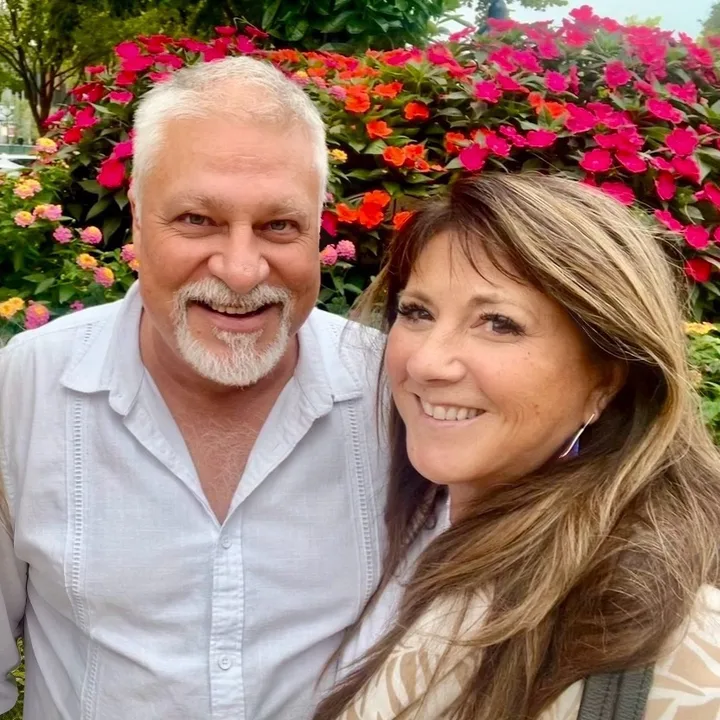

RE/MAX Snowshoe, led by veteran broker and owner Martha “Marty” Giddings. RE/MAX has served Snowshoe since 1986, and Marty has 64 years of combined experience in the area with her husband Michael Hughes. You won’t find anyone who knows more about Snowshoe than Marty and her team. The VisitSnowshoe family has used Marty exclusively to build their portfolio of exceptional homes, and recommends her to family and friends looking for special homes of their own.
snowshoeresort.net
First Tracts Real Estate, led by broker and owner Dave Simmons. Another good choice, First Tracts partners with the resort and has a convenient sales office in the Village.
firsttracts.comBuying from out of state? Consider a West Virginia LLC. When an out-of-state owner sells, the state may hold back an extra percentage of the sales price. Under the West Virginia Tax Division’s rules, that is generally 2.5 percent of the payment to the seller (or 4.58 percent of the estimated gain), withheld at closing (TSD 389). Owning through an in-state LLC may help protect you. Talk to your attorney and CPA about whether it fits your situation.
Not every big bank will lend on the mountain, and some will not lend in every building or complex. Plan ahead, and ask early whether a lender will finance the specific unit you want. Local may be the way to go, so do not forget the community banks.
We have worked with Davis Trust Company in Elkins, where Hoy Ferguson is president and chief lending officer, and with Citizens Bank of West Virginia, which has a Snowshoe branch. We have had great experiences with both.
If the property is in a condo association, townhome community, or HOA, ask these before you make an offer.
None of this is financial or legal advice. It is what we have learned as owners. Talk to your broker, your lender, an attorney, and a CPA before you buy. And if you want to get a feel for the mountain first, stay a few nights in a VisitSnowshoe home. For the history behind the slopes and the buildings, see CheatMountain.com.
It can be, but go in with care. About 75 percent of revenue comes in a ski season of roughly 130 days, summer supply far outstrips demand, and management fees run about 18 to 25 percent if you hire it out. HOA fees where they apply, the Mountain Top Assessment, and modest local taxes all add up. Treat it as a place you love first.
They vary a lot by building and community, and not every property has an HOA. Many single family homes, in neighborhoods like West Ridge Road, may have none. Where there is one, ask for the current dues, the last few years of budgets, the reserve study, and any planned special assessments. Then find out whether the Mountain Top Assessment is bundled into the dues or billed separately, and whether its sunset date for that development has changed.
Management fees on the mountain run about 18 to 25 percent. Hiring a manager buys you peace of mind, or at least quiet, but you give up control over your rates and marketing. We manage our own homes.
Many owners do, including us, but the rules can vary by building or community. Ask the HOA, or check the covenants, for the rental rules before you buy.
Not every big bank will, and some will not lend in every building. We have had great experiences with Davis Trust Company and Citizens Bank of West Virginia, both community banks with a presence near the mountain.
The two main brokers are RE/MAX Snowshoe, led by broker and owner Marty Giddings, who has served Snowshoe since 1986 and is who we use, and First Tracts Real Estate, led by Dave Simmons, which partners with the resort.
Loggers RunBuilt for skiers. Boot up in the gear room at the back of the house, then step straight out onto Flume.
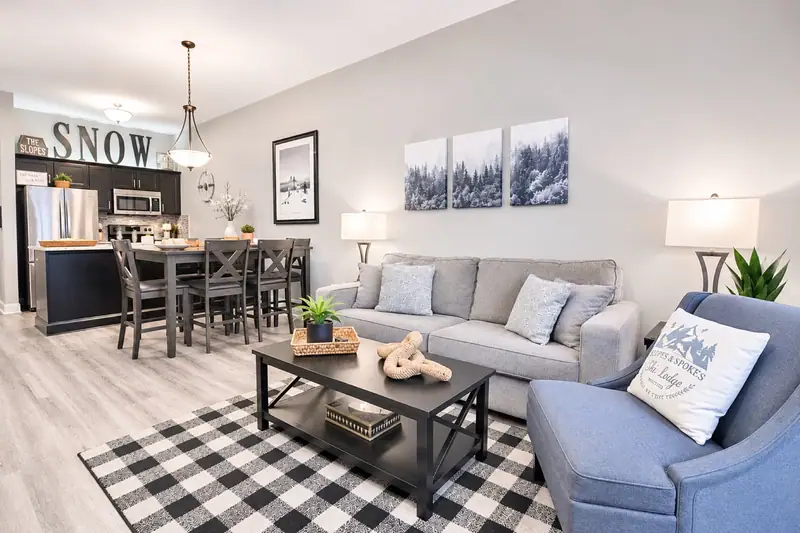 Seneca
Your own porch door into the Village, heated garage, shared building hot tub, just steps from ski school, the rental shop, restaurants, and the snow.
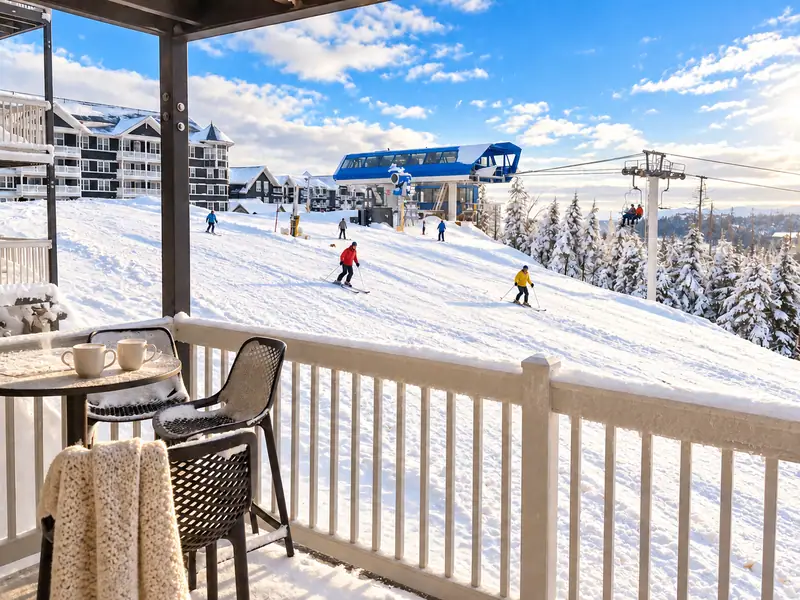 Mountain Lodge
First floor, a few steps down the hallway to the snow. One of six St. Moritz units, with a wood-burning fireplace.
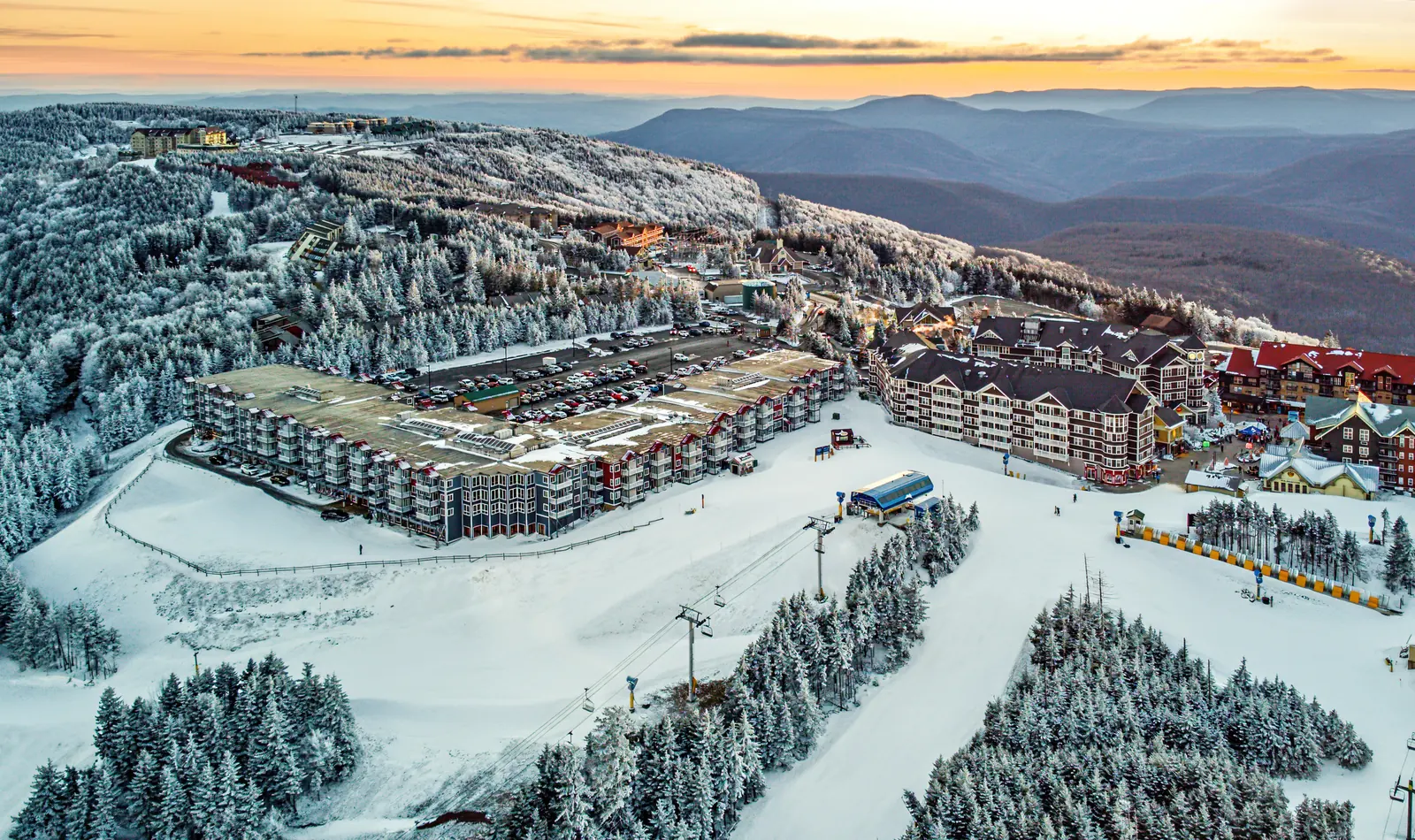
Pick your dates to see which of the ten ski-in, ski-out homes are open.